


-

Add: HeBei ShengShi HongBang Cellulose Technology CO.,LTD.
-

Email
13180486930@163.com -

CONTACT US
+86 13180486930




Hydroxypropyl methylcellulose (HPMC) is a versatile compound commonly used in various industries, ranging from pharmaceuticals to construction. With years of experience in the field, I have witnessed firsthand how the unique properties of HPMC make it an invaluable asset in product formulation. In the pharmaceutical industry, HPMC serves as a pivotal component due to its excellent biocompatibility and ability to form films. The compound acts as an excipient in controlled-release formulations, enhancing drug solubility and bioavailability. As someone deeply involved in drug development, I've seen HPMC improve drug stability while ensuring consistent therapeutic effects, which is crucial for patient safety and efficacy. Beyond pharmaceuticals , HPMC plays a crucial role in the food industry. Its non-toxic nature and ability to retain water make it an ideal emulsifier and thickening agent. HPMC can improve the texture and shelf life of food products, and its dietary fiber properties offer potential health benefits. My personal experiences working with HPMC in various food formulations reinforce its reliability and versatility in ensuring product quality and consumer satisfaction. In the realm of construction, HPMC offers significant benefits as a key ingredient in cement and mortar mixes. Its use enhances workability, water retention, and curing time of the products, thereby increasing durability and structural integrity. As an expert in construction materials, I have observed that the use of HPMC can significantly reduce material costs while maintaining high performance, which is a priority in the industry. hpmc is HPMC's application extends to personal care products as well. It serves as a thickening agent and stabilizer in creams, lotions, and shampoos. Given my involvement in product development within this domain, I can attest to HPMC's ability to improve product texture and stability, ensuring a pleasant user experience while maintaining efficacy. Extensive research supports HPMC's safety and effectiveness across these industries. The compound's biocompatibility and biodegradability contribute to its sustainability, aligning with the growing global emphasis on environmentally friendly materials. This authoritative evidence reassures manufacturers and consumers alike of its reliable performance. Trustworthiness in product formulation is paramount, and HPMC consistently delivers. Regulatory bodies such as the FDA and EMA acknowledge its safety for use in specified applications. This regulatory endorsement, combined with comprehensive scientific literature, underscores its credibility and instills confidence in its use. In summary, the multifaceted applications of HPMC across various industries highlight its indispensable role in modern product development. My extensive experience and expertise affirm its importance in formulating safe, effective, and high-quality products. As industries continue to evolve, HPMC's adaptability and proven performance will undoubtedly support innovation and excellence.
- 40000tons

Production
- 20+years

Experience
- 5000+㎡

Acreage

-

Understanding the solubility properties of hydroxypropyl methylcellulose (HPMC) E5 is crucial for industries ranging from pharmaceuticals to food production, offering both flexibility and functionality. As one delves into the characteristics of HPMC E5, it becomes evident why this ingredient is highly regarded for its solubility and versatile applications. Hydroxypropyl methylcellulose E5 is a type of cellulose derivative renowned for its excellent solubility in cold water and broad compatibility with various solvents. This feature makes HPMC E5 an indispensable ingredient in numerous formulations. From a practical standpoint, HPMC E5 exhibits a unique solubility profile that enhances its functional capabilities. Its solubility in water without the need for elevated temperatures simplifies the manufacturing process in several products, especially within the pharmaceutical sector. In tablet formulations, HPMC E5 not only functions as a binder but also serves as a viscosity enhancer in liquid systems. This dual capability is attributed to its ability to dissolve and form a gel-like consistency, which stabilizes the formulation and controls the release of active ingredients. Moreover, the expertise of incorporating HPMC E5 into products lies in its adaptable nature. Depending on the concentration and temperature, HPMC E5 can provide different viscosities, catering to specific industry needs. In the paint and coatings industry, for example, its solubility property ensures uniform consistency and prevents pigment separation, thereby enhancing product quality. Authoritative sources in the food industry often turn to HPMC E5 due to its film-forming and emulsifying properties, driven by its solubility. In gluten-free and reduced-fat products, HPMC E5 compensates for the lack of gluten or fat by improving texture and mouthfeel, thus enhancing the consumer experience. Its ability to swiftly dissolve ensures minimal processing time, which is fundamental when maintaining the nutritional quality of food products. hpmc e5 solubility Trustworthiness in utilizing HPMC E5 is established through rigorous testing and quality controls documented by manufacturers. As a GRAS (Generally Recognized As Safe) substance, it undergoes extensive assessment to ensure that its solubility and functional properties align with safety standards across various applications. Manufacturers provide detailed solubility data encompassing various temperature ranges and pH levels, empowering product developers to make informed decisions regarding its use. For individuals and businesses aiming to maximize the solubility benefits of HPMC E5, collaborating with suppliers who offer technical support is invaluable. These suppliers often provide insights derived from comprehensive research and development processes, ensuring HPMC E5 is utilized to its full potential. Their expertise can guide the creation of innovative products that harness the efficiency and reliability of HPMC E5’s solubility characteristics. Choosing HPMC E5 also implies a commitment to sustainability, as cellulose-based materials are increasingly favored for their biodegradable nature. In an era where environmental considerations play a pivotal role, incorporating biodegradable yet functional ingredients aligns with global sustainability efforts. Harnessing the potential of HPMC E5’s solubility does not end with existing applications . Ongoing research continues to unveil novel uses, particularly in emerging fields like biomedicine, where its solubility attributes could support the development of drug delivery systems. In conclusion, the solubility of hydroxypropyl methylcellulose E5 is not merely a chemical property but a gateway to a multitude of applications that enhance product stability, functionality, and user experience. Its reliability and adaptability continue to inspire new formulations, establishing it as a cornerstone in product innovation across diverse sectors.
-
Navigating the world of methylcellulose, a versatile compound with applications in numerous industries, can be a complex journey—especially when it comes to pricing. Understanding methylcellulose price dynamics requires insights into market trends, production processes, and supply chain influences. Methylcellulose is a chemical compound derived from cellulose . It’s widely used in the food industry as a thickener and emulsifier, as well as in pharmaceuticals, construction, and personal care products. Its unique properties make it indispensable across these sectors, thus directly impacting its market price. When discussing the pricing of methylcellulose, one must first consider its manufacturing process. Derived from plant fibers, the production involves chemical treatment, including methylation, which requires sophisticated technology and expertise. This complexity in production can influence both availability and cost. In the global market, the price of methylcellulose is subject to fluctuations influenced by several factors. Raw material costs are a primary driver, which are often subject to agricultural and geopolitical factors affecting the supply chain of cellulose. For example, a shortage in raw materials due to environmental conditions or trade restrictions can lead to increased prices. Additionally, the demand across various industries significantly influences the methylcellulose price. The food industry’s trend towards plant-based products has heightened demand for this compound as a stabilizing agent, leading to competitive pricing and fluctuations. In pharmaceuticals, as more formulations leverage excipients like methylcellulose for controlled drug delivery, the demand continues to grow. methylcellulose price Moreover, regional demand can greatly affect pricing. Markets in Asia-Pacific have exhibited increased consumption due to expanding industrial activities, which has turned the region into a substantial player in the methylcellulose market. As manufacturing capacities expand, these regional dynamics continue to influence price benchmarks globally. In terms of experience, businesses purchasing methylcellulose often benefit from forming long-term supplier relationships, which can provide more stable pricing amidst market volatility. By securing contracts that account for market fluctuations, businesses can mitigate risks associated with sudden price changes. From an expertise perspective, consulting with market experts or leveraging analytical tools to track price trends and predict future shifts can provide a competitive edge. Staying informed about technological advancements in production, potential new applications, and regulatory impacts is essential for strategic decision-making. The authoritativeness and trustworthiness of information related to methylcellulose pricing come from reliable data sources. Industry reports, manufacturer disclosures, and trade publications serve as primary references for accurate and timely pricing data. Establishing collaboration with verified suppliers known for their integrity and consistency is crucial for businesses to maintain product quality and profitability. In conclusion, the methylcellulose market presents a complex landscape influenced by numerous factors, each contributing to its pricing dynamics. A comprehensive understanding of its production, coupled with insights into market demands and trends, provides the foundation for making informed decisions. Businesses positioned to leverage expertise and build authoritative partnerships are likely to navigate the methylcellulose pricing landscape successfully.
advantages
-

200000 Viscosities
Excellent product
We can produce pure products up to 200,000 viscosities
-

40000 tons
High yield
We don’t stop production all year round, and the annual output can reach 40,000 tons
-

24 hours
Quality service
We provide 24-hours online reception service, welcome to consult at any time
———— Inquiry Form
Schedule A services
-
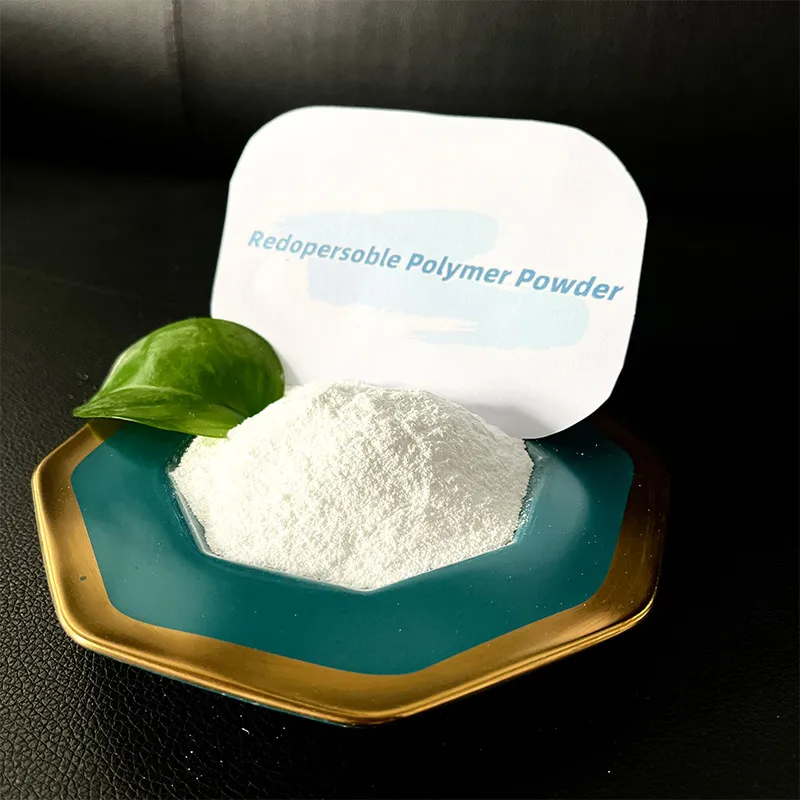 hpmc_3_cps
Oct . 25, 2025
Nitrile rubber powder , a versatile polymer, is becoming an indispensable asset in numerous industri -
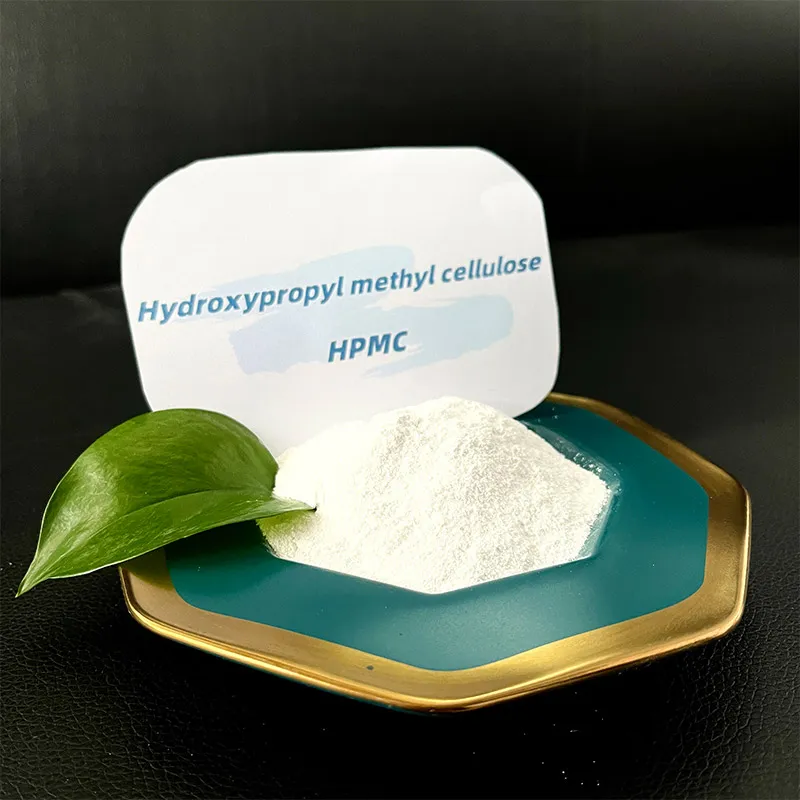 steel_fiber_reinforcement
Oct . 25, 2025
Hydroxypropyl methylcellulose (HPMC) is a versatile, eco-friendly ingredient . This cellulose deriva -
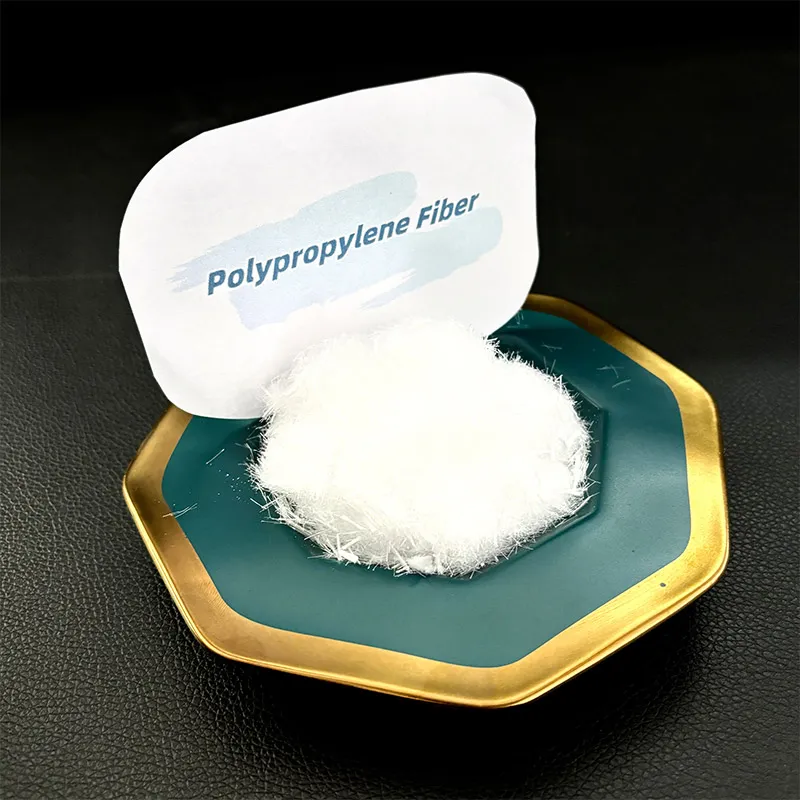 hpmc_e464
Oct . 25, 2025
In modern construction and industrial applications, materials like redispersible polymer powder , vi


